
D’Annunzio and the Fiume Experiment
M: Son of the CenturyThis thread traces D’Annunzio’s effort to turn Fiume into a national and revolutionary spectacle, and the limits that isolate it.
increasing Bearing strength in each event
 decreasing
Bearing strength in each eventdecreasingThe Mutilated Victory
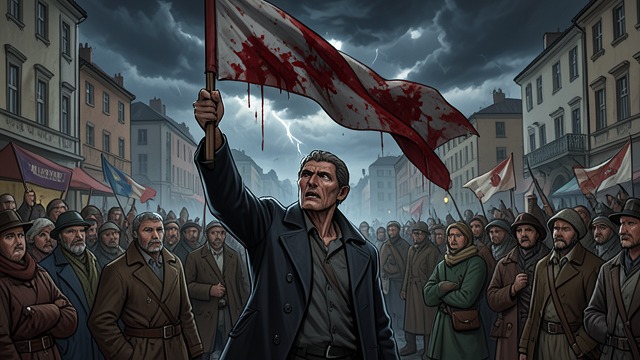
Defeat Reimagined
A Flag as Relic
D’Annunzio addresses a crowd in Rome, presenting a bloodstained flag and demanding that Italy mourn until Fiume and Dalmatia are secured. His language transforms military victory into a story of national humiliation.
A Politics of Emotion
The speech gives veterans a way to interpret disappointment as an unfinished struggle. D’Annunzio’s influence lies in making symbolic grievance feel more powerful than diplomatic compromise.
The March from Ronchi
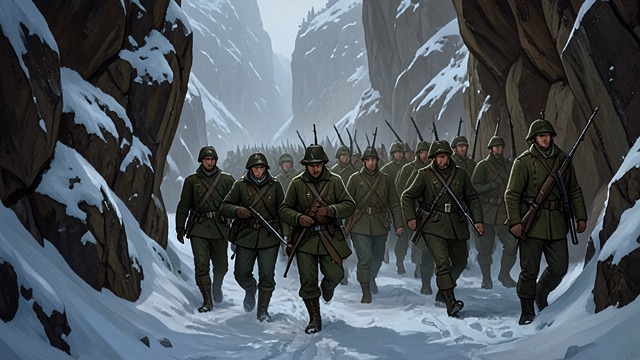
A City Taken
Defying the State
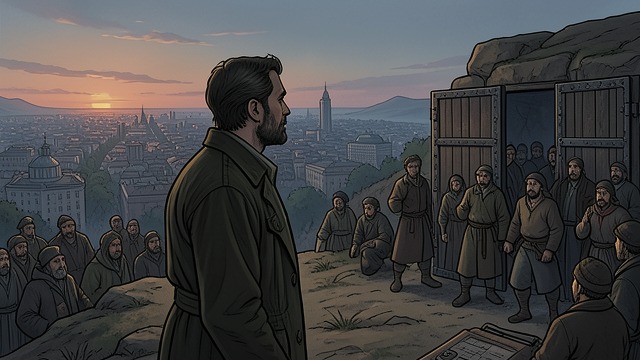
D’Annunzio leads a small force of rebellious soldiers toward Fiume. Italian troops join rather than stop the column, allowing it to cross the frontier without a battle.
The Commander Takes Power
The city welcomes the rebels, and D’Annunzio accepts civil and military authority. A daring expedition becomes a government whose legitimacy rests on popular acclaim, military disobedience, and theatrical leadership.
The City of Life
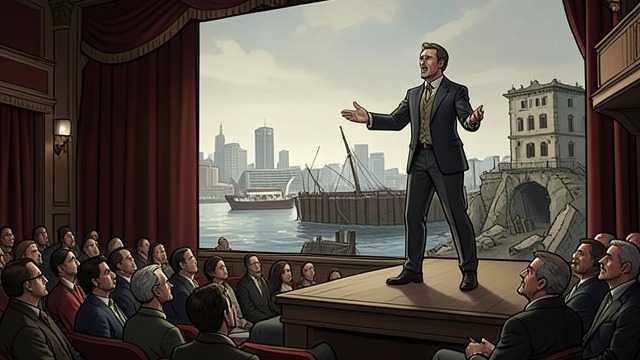
A Universal Cause
Beyond Annexation
In a speech at the Teatro Verdi, D’Annunzio presents Fiume as a beacon for oppressed peoples and a source of a new political life. The city’s cause expands from Italian claims to a broad, if loosely defined, international revolt.
Spectacle and Material Limits
The vision draws adventurers and idealists, but the city remains blockaded and economically fragile. The rhetoric of unlimited possibility grows as practical resources dwindle.
The Carnaro Charter
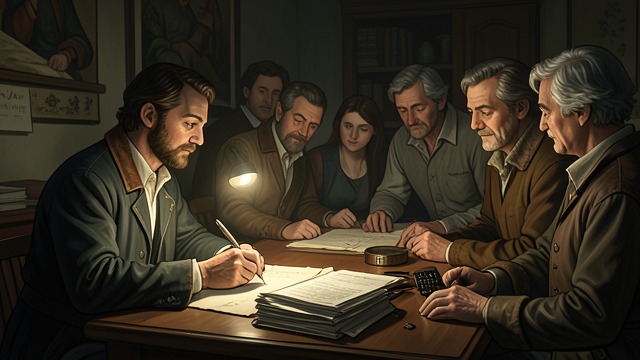
A Radical Constitution
Rights and Beauty
Alceste De Ambris drafts a constitution protecting labor, civil liberties, social support, and a public role for art and music. D’Annunzio revises it, imagining that political life itself can be made beautiful.
An Unfinished Experiment
The charter offers a striking vision but remains largely an unrealized document. The city’s shortages, isolation, and leadership’s reliance on spectacle complicate its claims to create a durable political order.
The Natale di Sangue
The State Attacks Fiume
Italian Guns Against Legionnaires
After the Treaty of Rapallo, Italian forces besiege and bombard Fiume. Mussolini does not lead a rescue, and D’Annunzio’s appeals for solidarity fail to move the country.
The Dream Ends
The bombardment wounds civilians and forces the Commander to surrender his authority. The occupation ends in defeat, revealing how little mass enthusiasm can substitute for stable supply, political support, and military power.
May 6, 1919
September 11–12, 1919
October 24, 1919
March 1920
December 24–31, 1920
